Wooden Door experts
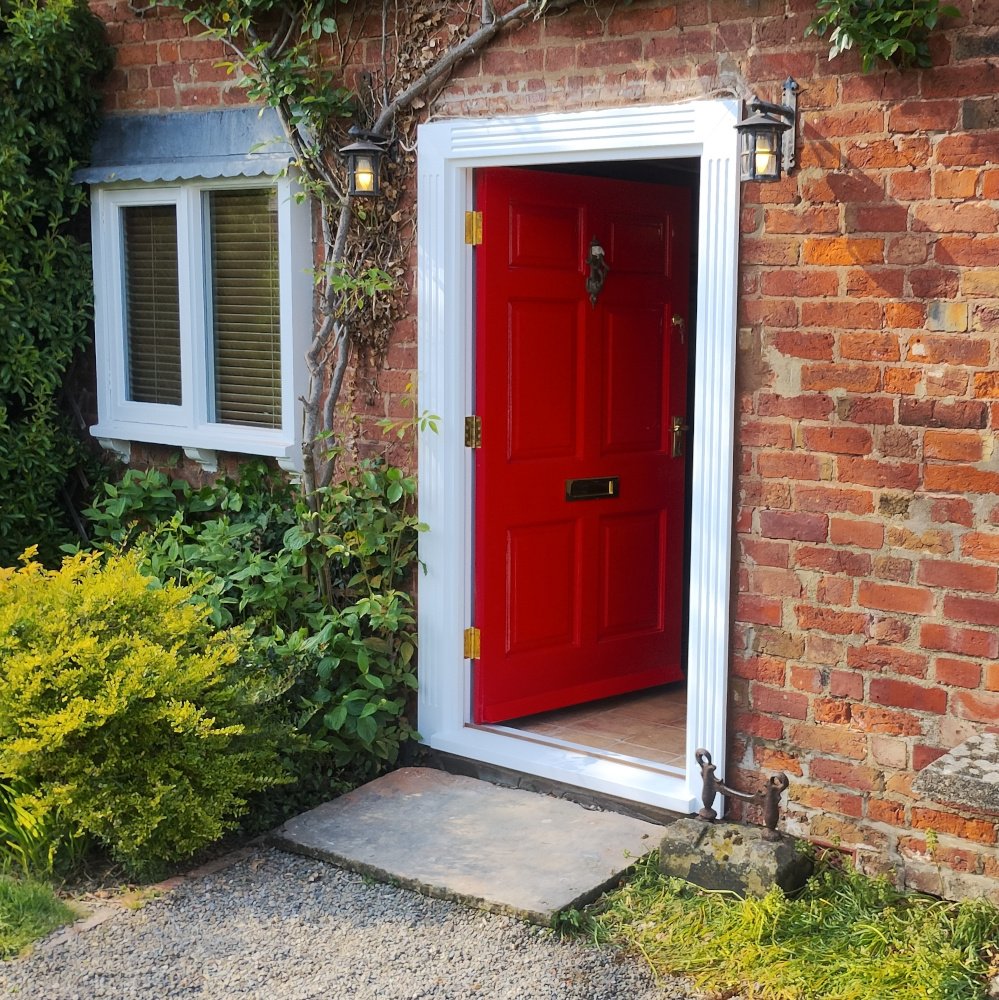
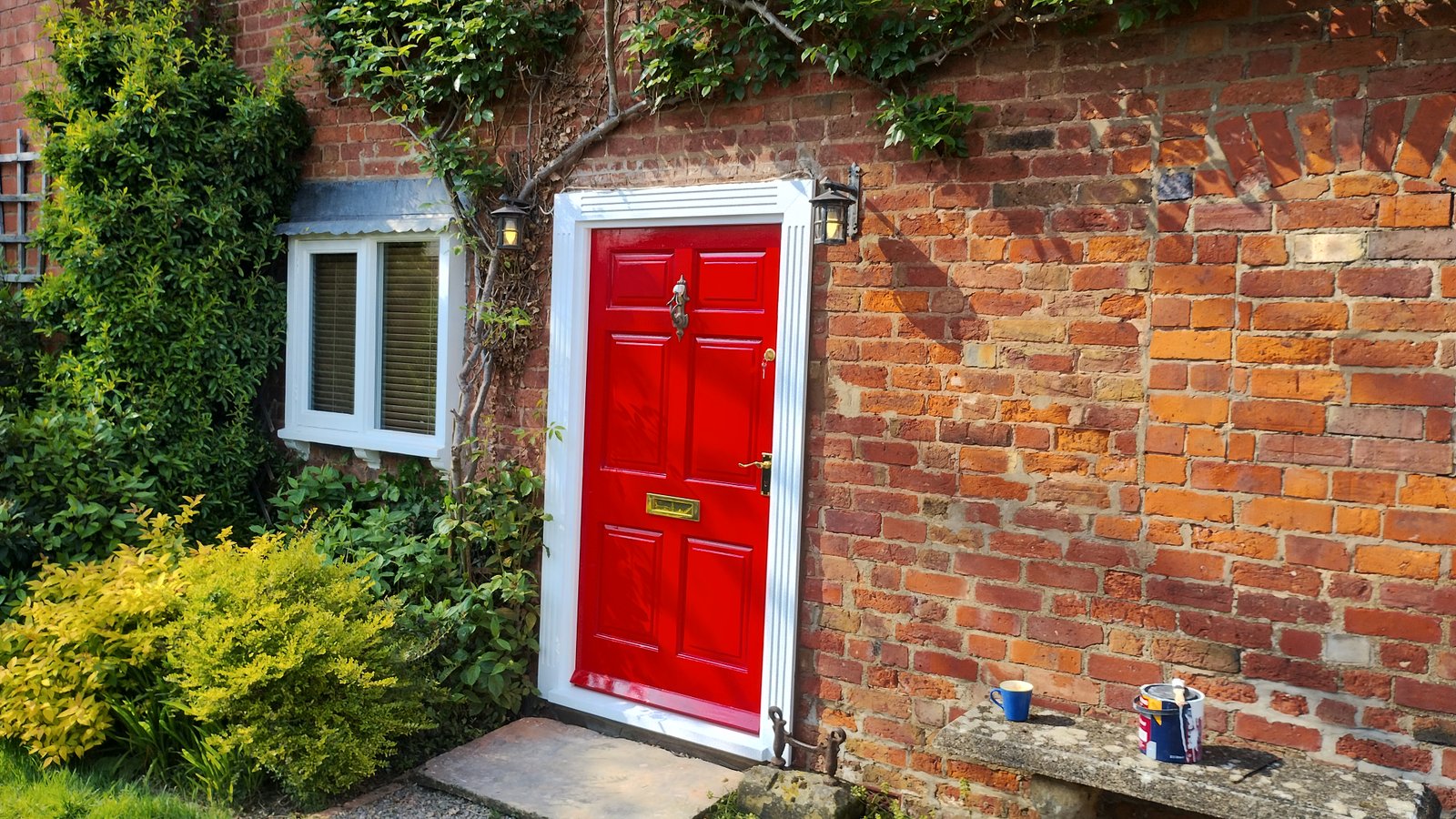
Georgian Style Front Door
The workshop smelled sharply of freshly cut timber as I laid out the sapele on my workbench. As a specialist in heritage joinery, crafting a traditional 6-panel Georgian door is the a test of ones joinery skills. This piece was destined for a Grade II listed townhouse, meaning every profile, moulding, and joint had to strictly satisfy local conservation area regulations. The secret to a stable period timber door lies in the accuracy from the start. I carefully selected straight-grained timber for the stiles and rails to prevent warping, and beautifully figured wood for the panels. Using the planer, I prepared the timber down to its exact finish dimensions, creating a perfectly square kit of parts: two long outer stiles, a heavy bottom rail, a top rail, two middle lock rails, and three vertical muntins. A genuine bespoke joinery door relies entirely on through-mortise and tenon joints and haunches for maximum structural integrity. I set up the mortiser to chop the slots into the stiles, then switched to the saw bench to cut the matching tenons on the ends of the rails.
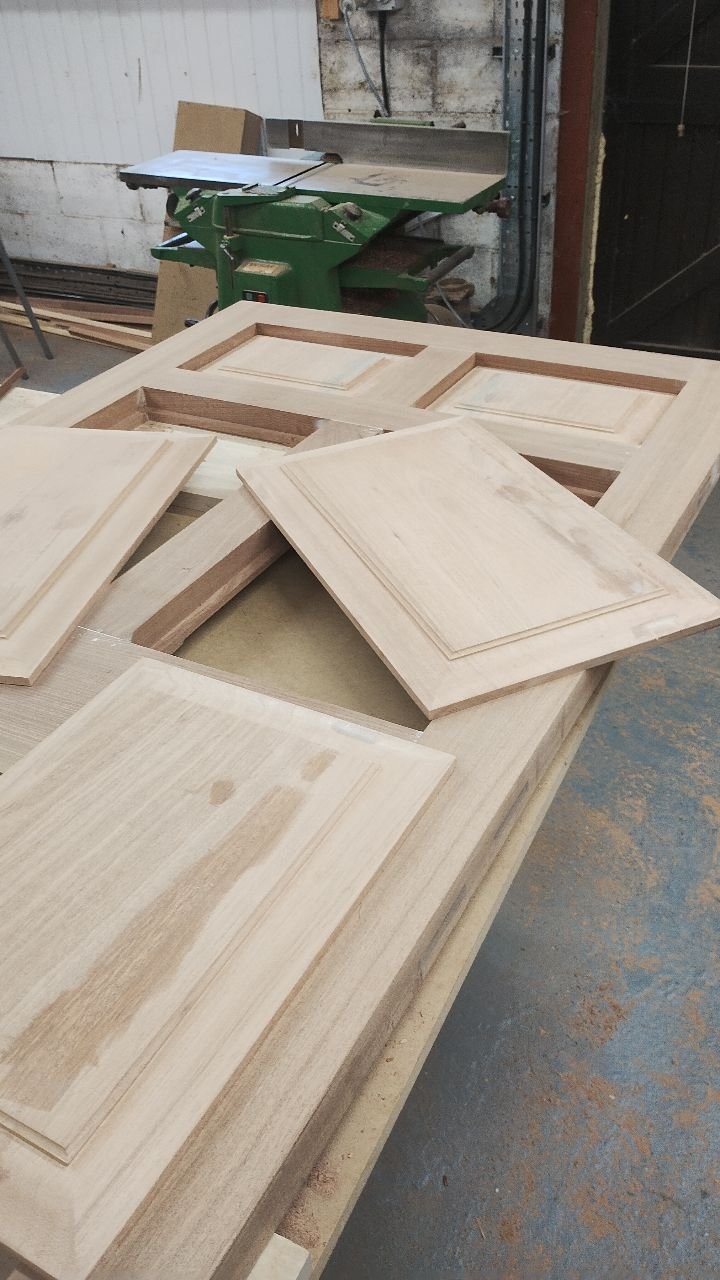
By early afternoon, it was time to profile the components. Using a spindle moulder with a custom-ground cutter block, I ran the inner edges of the frame to create a delicate, period-correct Lambs Tongue moulding. Next came the star feature: the six raised-and-fielded panels. I machined a wide, elegant bevel around the edge of each panel, leaving a raised, flat island in the centre. This timeless Georgian detail gives the door its distinct, deep shadow lines. I dry-fitted the entire frame together without glue, sliding the six timber panels into the grooves cut behind the mouldings.
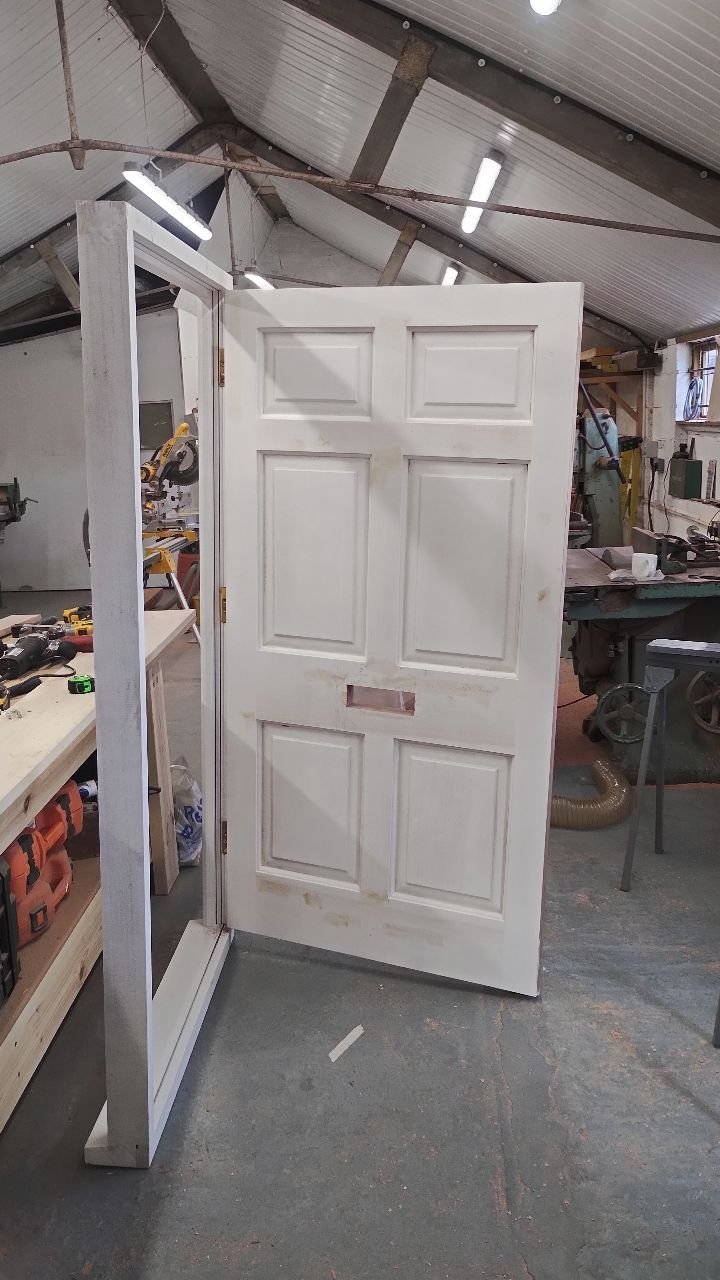
Crucially, I left a tiny 2mm expansion gap around each panel, allowing the wood to naturally breathe, expand, and contract with changing weather without splitting the main frame. I measured diagonally from corner to corner; a perfectly square frame is non-negotiable for high-quality joinery.Satisfied with the dry fit, I pulled it apart and applied a weatherproof PVA to the tenons. I clamped the door together using heavy-duty sash clamps, watching for a uniform squeeze-out of glue at every joint. To lock the joints permanently in place, honouring historic methods, I drilled holes through the mortises and drove in tapered wooden dowels, pulling the shoulders incredibly tight. As the glue began to cure, I used a hand plane to flush up the joints, followed by a meticulous final sanding. Running my hands over the smooth timber, the grain caught the afternoon workshop light perfectly. It wasn't just a door; it was a piece of premium woodwork built to satisfy strict planning and conservation officer requirements, ready to offer an imposing, historic welcome for generations to come.